I Will Go With My Father A-ploughing Class 6 Question Answer | Bengali Meaning & Activity 1–8(b)
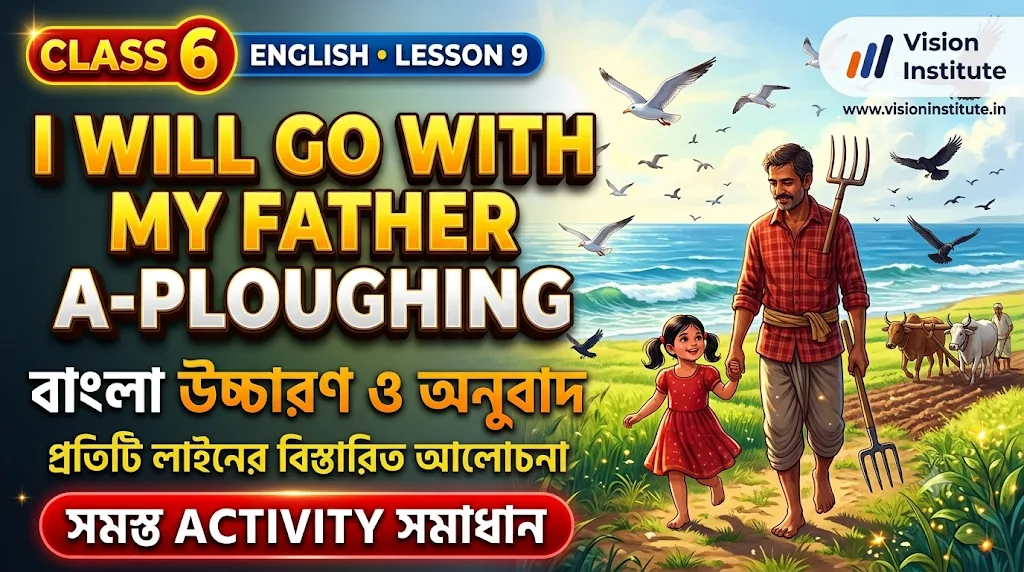
পশ্চিমবঙ্গ মধ্যশিক্ষা পর্ষদ (WBBSE) ষষ্ঠ শ্রেণির ইংরেজি পাঠ্যবই ‘Blossoms’-এর নবম পাঠ (Lesson 9) Joseph Campbell রচিত ‘I Will Go With My Father A-ploughing’ (আমি আমার বাবার সাথে লাঙল চষতে যাব) কবিতার প্রতিটি লাইনের সঠিক বাংলা উচ্চারণ, সহজ বঙ্গানুবাদ, পাঠ্যবইয়ের বিশেষ ব্যাকরণ নোট, Word Nest এবং Activity 1 থেকে Activity 8(b) পর্যন্ত সমস্ত প্রশ্নোত্তর, গ্রামার ও রাইটিং সমাধান নিচে সুন্দরভাবে সাজিয়ে দেওয়া হলো।
Lesson 9: I Will Go With My Father A-ploughing
১ কবি পরিচিতি (Let's Start) ও Let's Share
বাংলা উচ্চারণ: জোসেফ জন ক্যাম্পবেল (১৮৭৯—১৯৪৪) ওয়াজ আ ফেমাস আইরিশ পোয়েট অ্যান্ড লিরিসিস্ট। হি ওয়াজ বর্ন ইন বেলফাস্ট ইন অ্যান আইরিশ ফ্যামিলি। হিজ লিটারারি অ্যাক্টিভিটিজ বিগ্যান উইথ সংস। ইন নাইনটিন ও ফাইভ হি মুভড টু লন্ডন। হিজ ফেমাস পোয়েমস ইনক্লুড অ্যাট হার্ভেস্ট, অন ওয়েকিং, দ্য ব্লাইন্ড ম্যান অ্যাট দ্য ফেয়ার, দ্য ওল্ড ওম্যান এটসেট্রা।
বঙ্গানুবাদ: জোসেফ জন ক্যাম্পবেল (১৮৭৯—১৯৪৪) একজন বিখ্যাত আইরিশ কবি ও গীতিকার ছিলেন। তিনি এক আইরিশ পরিবারে বেলফাস্ট শহরে জন্মগ্রহণ করেন। তাঁর সাহিত্যচর্চা গান রচনার মাধ্যমে শুরু হয়েছিল। ১৯০৫ সালে তিনি লন্ডনে চলে যান। তাঁর বিখ্যাত কবিতাগুলির মধ্যে রয়েছে অ্যাট হার্ভেস্ট, অন ওয়েকিং, দ্য ব্লাইন্ড ম্যান অ্যাট দ্য ফেয়ার, দ্য ওল্ড ওম্যান ইত্যাদি।
Let's share পাঠ শুরুর আগে আলোচনা
Match column A with column B:
(স্তম্ভ A-এর সাথে স্তম্ভ B মেলাও)
| Column A | Column B (সঠিক উত্তর) | বাংলা অর্থ |
|---|---|---|
| (i) blacksmith | works with iron | কামার — লোহা নিয়ে কাজ করে |
| (ii) hawker | sells wares | ফেরিওয়ালা — জিনিসপত্র বিক্রি করে |
| (iii) nurse | looks after sick people | নার্স/সেবিকা — অসুস্থ মানুষদের দেখাশোনা করে |
| (iv) pilot | flies aeroplanes | পাইলট/বিমানচালক — উড়োজাহাজ চালায় |
Suppose you have accompanied your father/mother/guardian to his/her workplace. Tell the class what you have seen and whether you liked the place.
(ধরো তুমি তোমার বাবা/মা/অভিভাবকের সাথে তাঁর কর্মক্ষেত্রে গিয়েছ। শ্রেণিকক্ষে বলো তুমি সেখানে কী দেখেছ এবং জায়গাটি তোমার ভালো লেগেছে কি না।)
Last week, I went with my father to his school where he teaches. I saw tidy classrooms, a big library full of storybooks, and a green playground where students were playing. All the teachers were very kind and greeted me warmly. I really liked the peaceful and cheerful atmosphere of the place.
বঙ্গানুবাদ: গত সপ্তাহে আমি আমার বাবার সাথে তাঁর স্কুলে গিয়েছিলাম, যেখানে তিনি পড়ান। আমি পরিচ্ছন্ন শ্রেণিকক্ষ, গল্পের বইয়ে ভরা একটি বড় গ্রন্থাগার এবং একটি সবুজ খেলার মাঠ দেখেছিলাম যেখানে ছাত্রছাত্রীরা খেলছিল। সব শিক্ষকই খুব দয়ালু ছিলেন এবং আমাকে আন্তরিকভাবে স্বাগত জানালেন। জায়গাটির শান্ত ও আনন্দময় পরিবেশ আমার খুব ভালো লেগেছিল।
২ কবিতার প্রতিটি লাইনের বাংলা উচ্চারণ ও বঙ্গানুবাদ
প্রথম স্তবক (Stanza 1) লাঙল চষার পর্যায় (Ploughing)
দ্বিতীয় স্তবক (Stanza 2) বীজ বোনার পর্যায় (Sowing)
তৃতীয় স্তবক (Stanza 3) ফসল কাটার পর্যায় (Reaping)
বাংলা উচ্চারণ: ‘—আ’ ফর্ম অব ভার্বিং ইজ আ হোল্ড-ওভার ফ্রম আর্লিয়ার ভ্যারাইটিজ অব ইংলিশ, বাট ইট ইজ ফ্যামিলিয়ার টু মডার্ন রিডার্স ফ্রম নার্সারি রাইমস বোথ ওল্ড অ্যান্ড মডার্ন। দ্য প্রিফিক্সড ‘আ’ এমফাসাইজেস দ্য ডিউরেশন অব অ্যান অ্যাকশন। ‘আই উইল গো ফর প্লাউইং উইথ মাই ফাদার’ মিনস দ্যাট হি ইজ এনগেজড ইন আ রিলেটিভলি শর্ট-টার্ম টাস্ক। ‘আই উইল গো উইথ মাই ফাদার আ-প্লাউইং’ মিনস দ্যাট দ্য টাস্ক ইজ অব আ লঙ্গার ডিউরেশন।
বঙ্গানুবাদ: ক্রিয়ার (verb + ing) আগে ‘a-’ যুক্ত করার এই রূপটি প্রাচীন ইংরেজির একটি অবশিষ্ট ধারা, তবে পুরোনো ও আধুনিক উভয় ধরনের ছড়ার (nursery rhymes) মাধ্যমে আধুনিক পাঠকদের কাছেও এটি পরিচিত। শব্দের শুরুতে বসা এই ‘a-’ উপসর্গটি কোনো কাজের দীর্ঘস্থায়িত্ব বা সময়কালের ওপর জোর দেয়। ‘I will go for ploughing with my father’ বলতে বোঝায় যে সে তুলনামূলকভাবে স্বল্প সময়ের একটি কাজে যুক্ত হচ্ছে। অন্যদিকে ‘I will go with my father a-ploughing’ বলতে বোঝায় যে কাজটি দীর্ঘ সময় ধরে চলবে।
Word Nest শব্দার্থ ও উচ্চারণ
৩ সমস্ত Activity-এর প্রশ্নোত্তর ও বঙ্গানুবাদ (Activity 1–5)
Activity 1 Choose the correct answer from the given alternatives and fill in the blanks:
(সঠিক বিকল্প বেছে নিয়ে শূন্যস্থান পূরণ করো)
The child will go with his father to the ___ for ploughing. (field / sea / hills)
The child will go with his father to the field for ploughing.
(বঙ্গানুবাদ: শিশুটি তার বাবার সাথে লাঙল চষার জন্য মাঠে যাবে।)
The child will sing to the horses along with the ___. (lark / wren / gull)
The child will sing to the horses along with the lark.
(বঙ্গানুবাদ: শিশুটি ভরতপাখি (লার্ক)-এর সাথে ঘোড়াগুলির উদ্দেশ্যে গান গাইবে।)
The father sings the seed-song while ___. (reaping / sowing / harvesting)
The father sings the seed-song while sowing.
(বঙ্গানুবাদ: বাবা বীজ বোনার সময় বীজের গান গান।)
Reaping will be done by the father when the field is ___. (red / brown / green)
Reaping will be done by the father when the field is brown.
(বঙ্গানুবাদ: মাঠ যখন বাদামি রঙের হবে, তখন বাবা ফসল কাটবেন।)
Activity 2 Complete the following sentences with information from the text:
(পাঠ্যাংশ থেকে তথ্য নিয়ে নিচের বাক্যগুলি সম্পূর্ণ করো)
_______________ will come flocking after the child.
The rooks, crows, seagulls, merls, robins, thrushes, geese, pigeons, and sparrows will come flocking after the child.
(বঙ্গানুবাদ: দাঁড়কাক, কাক, গাঙচিল, মার্ল, রবিন, থ্রাশ, রাজহাঁস, পায়রা এবং চড়ুই পাখিরা ঝাঁক বেঁধে শিশুটির পিছু পিছু আসবে।)
The plough song will _______________.
The plough song will bless the cleaving share.
(বঙ্গানুবাদ: লাঙল চষার গান মাটি চিরে ফেলা লাঙলের ফলাকে আশীর্বাদ করবে।)
The child will go _______________ for sowing.
The child will go with his father to the Red Field by the sea for sowing.
(বঙ্গানুবাদ: শিশুটি বীজ বুনতে তার বাবার সাথে সমুদ্রের ধারের লাল মাঠে যাবে।)
The reapers are tan-faced because _______________.
The reapers are tan-faced because they work in the heat of the sun.
(বঙ্গানুবাদ: ফসল কাটুনীদের মুখ রোদে তামাটে হয়ে গেছে কারণ তারা সূর্যের তাপে কাজ করে।)
Activity 3 Answer the following question:
Why will the father and the child sing while ploughing, sowing and reaping?
(প্রশ্নের বঙ্গানুবাদ: বাবা এবং শিশুটি লাঙল চষা, বীজ বোনা এবং ফসল কাটার সময় কেন গান গাইবে?)
The father and the child will sing while ploughing, sowing, and reaping to make their hard work joyful, to encourage the horses and workers, to bless the farming process, and to celebrate the completion of the harvest.
বঙ্গানুবাদ: বাবা এবং শিশুটি লাঙল চষা, বীজ বোনা এবং ফসল কাটার সময় গান গাইবে যাতে তাদের কঠোর পরিশ্রম আনন্দময় হয়, ঘোড়া ও শ্রমিকদের উৎসাহ দেওয়া যায়, চাষের কাজে আশীর্বাদ থাকে এবং ফসল কাটা শেষ হওয়ার আনন্দ উদযাপন করা যায়।
Activity 4 Fill in the chart with information from the text:
(পাঠ্যাংশ থেকে তথ্য নিয়ে ছকটি পূরণ করো)
| Names of birds (পাখির নাম) | Actions (কাজ) | বাংলা অর্থ |
|---|---|---|
| (a) rooks, crows, seagulls | flocking | দাঁড়কাক, কাক, গাঙচিল — ঝাঁক বেঁধে আসা |
| (b) merls, robins, thrushes, geese, pigeons, sparrows | blocking (ছাপার ভুল, আসলে ‘flocking’ হবে) | মার্ল, রবিন, থ্রাশ, রাজহাঁস, পায়রা, চড়ুই — ঝাঁক বেঁধে আসা |
| (c) lark, finch, wren | singing | লার্ক, ফিঞ্চ, রেন — গান গাওয়া |
Activity 5 Answer the following questions in complete sentences:
(পূর্ণবাক্যে নিচের প্রশ্নগুলির উত্তর দাও)
What are the three stages of farming?
(প্রশ্নের বঙ্গানুবাদ: চাষাবাদের তিনটি ধাপ কী কী?)
The three stages of farming are ploughing, sowing, and reaping.
বঙ্গানুবাদ: চাষাবাদের তিনটি ধাপ হলো লাঙল চষা, বীজ বোনা এবং ফসল কাটা।
What are the different colours of the field at different stages of farming?
(প্রশ্নের বঙ্গানুবাদ: চাষাবাদের বিভিন্ন ধাপে মাঠের রঙ কী কী হয়?)
At different stages of farming, the field is green during ploughing, red during sowing, and brown during reaping.
বঙ্গানুবাদ: চাষাবাদের বিভিন্ন ধাপে লাঙল চষার সময় মাঠের রঙ সবুজ, বীজ বোনার সময় লাল এবং ফসল কাটার সময় বাদামি হয়।
What song do the wise men know?
(প্রশ্নের বঙ্গানুবাদ: জ্ঞানী মানুষেরা কোন গান জানেন?)
The wise men know the seed-song.
বঙ্গানুবাদ: জ্ঞানী মানুষেরা বীজ বোনার গান জানেন।
At what stage of farming is the scythe required?
(প্রশ্নের বঙ্গানুবাদ: চাষাবাদের কোন ধাপে কাস্তে (সাইথ) প্রয়োজন হয়?)
The scythe is required at the reaping stage of farming.
বঙ্গানুবাদ: চাষাবাদের ফসল কাটার ধাপে কাস্তের প্রয়োজন হয়।
৪ Grammar & Vocabulary (Activity 6–7)
Activity 6(a) Fill in the blanks with suitable articles and prepositions:
(উপযুক্ত article ও preposition বসিয়ে শূন্যস্থান পূরণ করো)
We went ___ the park and had ___ picnic. I played ___ a slide and had ___ chocolate. Then we took ___ walk.
We went to the park and had a picnic. I played on a slide and had a chocolate. Then we took a walk.
দ্রষ্টব্য: স্লাইডে খেলার ক্ষেত্রে সঠিক preposition হলো on।
বঙ্গানুবাদ: আমরা পার্কে গিয়েছিলাম এবং একটি পিকনিক করেছিলাম। আমি একটি স্লাইডে খেলেছিলাম এবং একটি চকলেট খেয়েছিলাম। তারপর আমরা একটু হেঁটেছিলাম।
Activity 6(b) Identify the types of sentences given below:
(নিচের বাক্যগুলি কোন ধরনের তা চিহ্নিত করো)
Can we go there?
Interrogative sentence (প্রশ্নবোধক বাক্য)
(বঙ্গানুবাদ: আমরা কি সেখানে যেতে পারি?)
What fun they had!
Exclamatory sentence (বিস্ময়সূচক বাক্য)
(বঙ্গানুবাদ: ওরা কী দারুণ মজাই না করেছে!)
She was not well.
Assertive sentence (বর্ণনামূলক/বিবৃতিমূলক বাক্য)
(বঙ্গানুবাদ: সে সুস্থ ছিল না।)
Sit down.
Imperative sentence (আদেশসূচক/অনুজ্ঞাসূচক বাক্য)
(বঙ্গানুবাদ: বসে পড়ো।)
Activity 7(a) Find the synonyms of the following words or expressions from the poem:
(কবিতা থেকে নিচের শব্দ বা বাক্যাংশগুলির সমার্থক শব্দ খুঁজে লেখো)
gathering in a group (দলে দলে জড়ো হওয়া)
flocking (ফ্লকিং)
not foolish (বোকা নয়)
wise (ওয়াইজ — জ্ঞানী)
persons who plant seeds (যারা বীজ বোনে)
sowers (সোয়ার্স — বীজ বপনকারী)
tool used to reap corn (শস্য কাটার যন্ত্র)
scythe (সাইথ — কাস্তে)
Activity 7(b) Match the following words in column A with their opposites in column B:
(স্তম্ভ A-এর শব্দগুলির সাথে স্তম্ভ B-এর বিপরীত শব্দ মেলাও)
| Column A | Column B (বিপরীত শব্দ) | বাংলা অর্থ |
|---|---|---|
| (i) patient | impatient | ধৈর্যশীল — অধৈর্য |
| (ii) wise | unwise | জ্ঞানী — অজ্ঞ/নির্বোধ |
| (iii) slow | fast | ধীর — দ্রুত |
| (iv) joys | sorrows | আনন্দ — দুঃখ |
৫ Let's Talk, Writing Activities (Activity 8) ও Let's Work Together
Let's talk Different crops and vegetables are cultivated in different seasons. Discuss in groups which crops are cultivated in which seasons.
(বিভিন্ন ঋতুতে বিভিন্ন শস্য ও শাকসবজি চাষ করা হয়। কোন ঋতুতে কোন শস্য চাষ হয় তা দলগতভাবে আলোচনা করো।)
| Season (ঋতু) | Crops and Vegetables (শস্য ও শাকসবজি) | বাংলা অর্থ |
|---|---|---|
| Summer | Aus paddy, jute, cucumber, pumpkin, lady's finger | গ্রীষ্মকাল: আউশ ধান, পাট, শসা, কুমড়ো, ঢেঁড়স |
| Monsoon | Aman paddy, jute, brinjal, bitter gourd, ridge gourd | বর্ষাকাল: আমন ধান, পাট, বেগুন, উচ্ছে, ঝিঙে |
| Winter | Wheat, mustard, potato, cauliflower, cabbage, peas, carrot | শীতকাল: গম, সর্ষে, আলু, ফুলকপি, বাঁধাকপি, মটরশুঁটি, গাজর |
Activity 8(a) Story Writing (গল্প রচনা)
Write a story in about sixty words based on the following hints:
(প্রদত্ত ইঙ্গিতগুলির ওপর ভিত্তি করে প্রায় ষাট শব্দে একটি গল্প লেখো)
[Hints: an old farmer calls his lazy sons — asks them to dig up treasure stored in the field — sons dig up field but find no treasure — farmer asks them to sow seeds — a rich harvest — sons understand the value of hard work]
The Hidden Treasure
An old farmer lived in a village with his lazy sons. One day, he called them and asked them to dig up a valuable treasure stored in their field. Hoping to become wealthy, the sons dug up the entire field but discovered no treasure. The clever farmer then asked them to sow seeds in the loosened soil. Soon, a rich harvest grew, and the sons finally understood the value of hard work.
Moral: Hard work brings success.
বঙ্গানুবাদ (লুকানো গুপ্তধন): এক গ্রামে এক বৃদ্ধ কৃষক তাঁর অলস ছেলেদের নিয়ে থাকতেন। একদিন তিনি তাদের ডেকে জমিতে লুকিয়ে রাখা একটি মূল্যবান গুপ্তধন খুঁড়ে বের করতে বললেন। ধনী হওয়ার আশায় ছেলেরা পুরো জমি খুঁড়ে ফেলল কিন্তু কোনো গুপ্তধন খুঁজে পেল না। বুদ্ধিমান কৃষক তখন তাদের আলগা হওয়া মাটিতে বীজ বুনতে বললেন। শীঘ্রই প্রচুর ফসল ফলল এবং ছেলেরা অবশেষে কঠোর পরিশ্রমের মূল্য বুঝতে পারল। নীতিকথা: কঠোর পরিশ্রমই সাফল্য নিয়ে আসে।
Activity 8(b) Paragraph Writing (অনুচ্ছেদ রচনা)
Write a short paragraph in about sixty words describing your favourite season. Use the following hints:
(তোমার প্রিয় ঋতু সম্পর্কে প্রায় ষাট শব্দে একটি ছোট অনুচ্ছেদ লেখো)
[Hints: name of the season — flowers and fruits — vegetables — festivals — why you enjoy it]
My Favourite Season
Winter is my favourite season. During this time, colourful flowers like marigolds, dahlias, and roses bloom everywhere. We get fresh fruits like oranges and apples, along with tasty vegetables such as cauliflowers, cabbages, carrots, and green peas. Many joyful festivals like Christmas, Poush Sankranti, and Saraswati Puja are celebrated in winter. I enjoy this season most because of the cool weather, warm sunshine, and family picnics.
বঙ্গানুবাদ (আমার প্রিয় ঋতু): শীতকাল আমার প্রিয় ঋতু। এই সময় চারদিকে গাঁদা, ডালিয়া এবং গোলাপের মতো রঙিন ফুল ফোটে। আমরা কমলালেবু ও আপেলের মতো তাজা ফল এবং ফুলকপি, বাঁধাকপি, গাজর ও মটরশুঁটির মতো সুস্বাদু শাকসবজি পাই। শীতকালে বড়দিন, পৌষ সংক্রান্তি এবং সরস্বতী পুজোর মতো অনেক আনন্দময় উৎসব পালিত হয়। ঠান্ডা আবহাওয়া, মিষ্টি রোদ এবং পরিবারের সাথে পিকনিকের জন্য আমি এই ঋতু সবচেয়ে বেশি উপভোগ করি।
Let's work together দলগত প্রকল্প ও মানচিত্রের কাজ
Collect seeds or leaves of any three important crops that are grown in West Bengal. Take a large outline map of West Bengal. Stick them on the map based on their area of cultivation. Tell the class about the usefulness of any one such crop.
(পশ্চিমবঙ্গে চাষ হয় এমন যেকোনো তিনটি গুরুত্বপূর্ণ ফসলের বীজ বা পাতা সংগ্রহ করো। পশ্চিমবঙ্গের একটি বড় মানচিত্র নাও। চাষের এলাকা অনুযায়ী সেগুলি মানচিত্রে আঠা দিয়ে আটকাও। যেকোনো একটি ফসলের উপকারিতা সম্পর্কে শ্রেণিকক্ষে বলো।)
তিনটি ফসল ও চাষের এলাকা (মানচিত্রের জন্য):
- Rice (ধান): পূর্ব বর্ধমান (Purba Bardhaman)
- Jute (পাট): নদিয়া / হুগলি (Nadia / Hooghly)
- Tea (চা): দার্জিলিং / জলপাইগুড়ি (Darjeeling / Jalpaiguri)
যেকোনো একটি ফসলের (ধান / Rice) উপকারিতা:
English: Rice is the most important crop of West Bengal. It is our staple food and gives us energy to work and play. We make many food items like puffed rice, flattened rice, and sweets from it. Rice straw is also used as food for cattle and for making roofs of village huts.
বঙ্গানুবাদ: ধান পশ্চিমবঙ্গের সবচেয়ে গুরুত্বপূর্ণ ফসল। চাল আমাদের প্রধান খাদ্য এবং এটি আমাদের কাজ ও খেলাধুলার জন্য শক্তি জোগায়। এর থেকে মুড়ি, চিঁড়ে এবং নানা রকমের মিষ্টি তৈরি হয়। ধানের খড় গবাদি পশুর খাদ্য হিসেবে এবং গ্রামের কুঁড়েঘরের চাল তৈরিতেও ব্যবহৃত হয়।
৬ গুরুত্বপূর্ণ প্রশ্নোত্তর (FAQ)
1. Who wrote the poem 'I Will Go With My Father A-ploughing'?
The poem I Will Go With My Father A-ploughing was written by the famous Irish poet and lyricist Joseph John Campbell (1879–1944). (কবিতাটি বিখ্যাত আইরিশ কবি ও গীতিকার জোসেফ জন ক্যাম্পবেল রচনা করেছেন।)
2. What are the three stages of farming and the colours of the field in the poem?
The three stages of farming are ploughing, sowing, and reaping. The field is green during ploughing, red during sowing, and brown during reaping. (চাষাবাদের তিনটি ধাপ হলো লাঙল চষা (সবুজ মাঠ), বীজ বোনা (লাল মাঠ) এবং ফসল কাটা (বাদামি মাঠ)।)
3. What does the prefix 'a-' in 'a-ploughing', 'a-sowing', and 'a-reaping' mean?
The prefixed 'a-' before a verb ending in '-ing' is an older English form that emphasizes the longer duration of an action, unlike 'for ploughing' which suggests a shorter task.
4. Which birds come flocking after the child and which birds sing with the child?
Rooks, crows, seagulls, merls, robins, thrushes, geese, pigeons, and sparrows come flocking after the child, while the lark, finch, and wren sing along with the child.
5. What song do only the wise men know, and when is the scythe required?
Only the wise men know the seed-song sung during sowing, and the scythe is required at the reaping stage of farming to harvest the crops.
Comments
You must be signed in to join the discussion.
Loading comments...